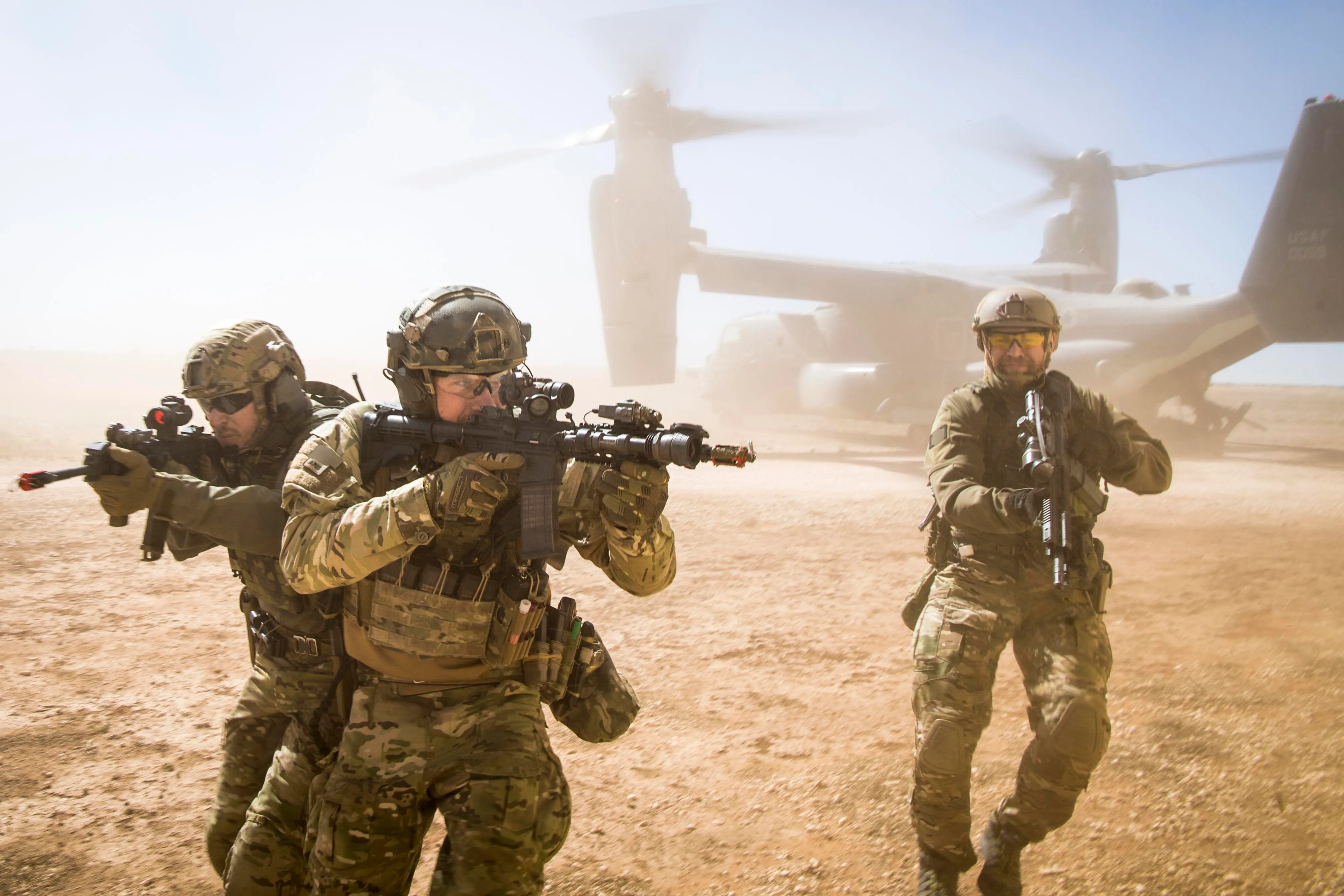
The rules related to the use of force have existed from a time that predates most of the established legal norms, yet it remains one of the most disputed questions of public international law. Be it in the form of the great Hindu epics, starting with the Ramayana and Mahabharata including the Bhagavad Gita presents a philosophical reflection on the morality of war. Similarly, the Hebrew Bible contains numerous references to the use of force, was understood as a means to fulfil divine promises or achieve justice. Even in early Christian writings on use of force, it was demotivated in divine verses such as “turn the other cheek” (Matthew 5:39) and “love your enemies” (Matthew 5:44), which led many early Christians to adopt pacifism. However, St. Augustine later developed the “Just War” theory, justifying the use of force under conditions like self-defense, legitimate authority, and right intention. Notably, even the Islamic law and Quran make mentions of regulations governing force usage, citing the Hadiths. What these traditions have in common is that none of them permit the use of force except in cases of self-defense and for righteous causes, and that even then, it has to be reasonable and necessary.
A similar set preconditions to use of force is codified in the UN Charter, although these rules are often ignored. The reason for such disregard is encapsulated in the phrase that ““the use of force is simply a subject matter that escapes legal regulation”; it reflects the reality of frequent violations, selective enforcement, and political justifications that often override legal norms.
The primary legal framework governing the use of force is established by the UN Charter, specifically the prohibition of force in Article 2(4). It prohibits the threat or use of force against the territorial integrity or political independence of any state. Article 51 grants the states the right to self-defense, and the use of force authorized by the UN Security Council under Chapter VII in response to threats to international peace and security. Despite such clear and concise rules revolving around the use of force, state practice and interpretations has widened the texts of the charter and has permitted the notions of pre-emptive and even preventive self-defense.
The reason why the usage of force “escapes” regulation is because of the aforementioned “political determinations” made by states, particularly the permanent members of the Security Council, who can veto any relevant resolutions, thus overriding international law. Another reason is the lack of consensus on humanitarian interventions and the emergence of new phenomena such as cyber-warfare that the existing legal framework does not account for. (Shaw) For instance, Russia’s annexation of Crimea in 2014, widely regarded as a violation of Article 2(4) of the UN Charter, was not met with any substantive action from the Security Council, largely due to Russia’s veto power.
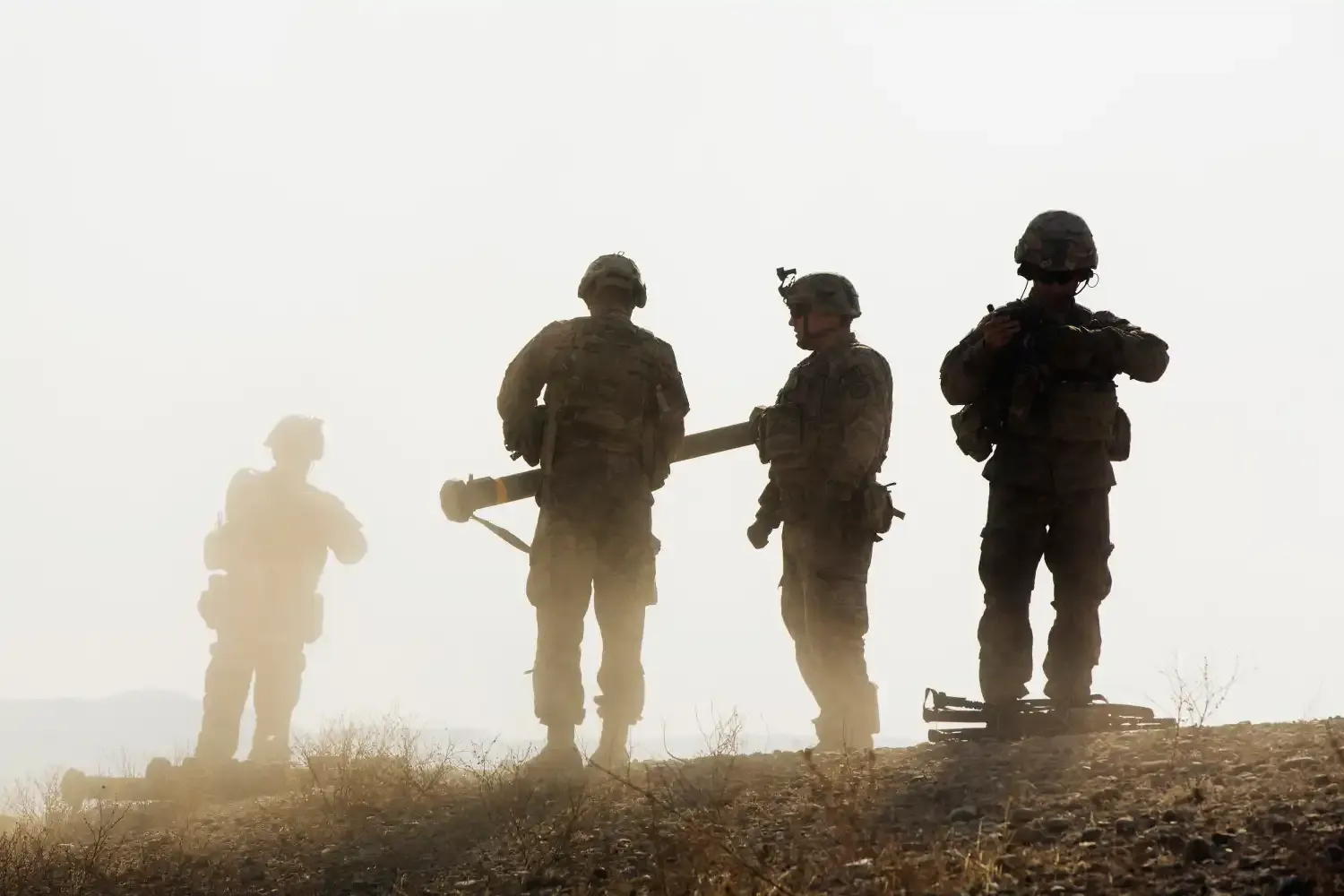
Another challenge stems from customary international law and the evolving nature of state practice. Although Article 51 permits the use of force to self-defense against an armed attack, many states have expanded this interpretation to include pre-emptive self-defense, especially in the context of counterterrorism operations. The US invasion of Iraq, justified on the grounds of pre-emptive self-defense to prevent the production of weapons of mass destruction is one of the most significant examples of this evolving interpretation. Apart from these interpretations, the rise of humanitarian interventions and the responsibility to protect doctrine further complicates the legal regulation of force. While there is a growing consensus that the international community has a moral obligation to prevent atrocities, the lack of clear legal rules on humanitarian intervention has led to inconsistent practices and legal controversy.
However, the states that practice force usage against other states are often the ones that hold significant power within the international community; thus, they can get away with such actions, as shown by the Russia’s annexation of Crimea, Georgia, and Ukraine, as well as the US-led intervention in Iraq and Syria. These states can interpret the Charter in their favor, as the US did when invading Iraq in 2003. They can also justify their actions as either pre-emptive self-defense or humanitarian interventions, even when they are not. Both doctrines, particularly the latter, have been used extensively by states to intervene in the internal affairs of other states under the guise of international law. They are both based on the interpretation of article 51 that allows for pre-emptive strikes if an attack is imminent. This is precisely the reason why the US invaded Iraq in 2003, to prevent the spread of weapons of mass destruction. In short, such doctrines stretch the interpretation of article 51, which is why they are problematic.
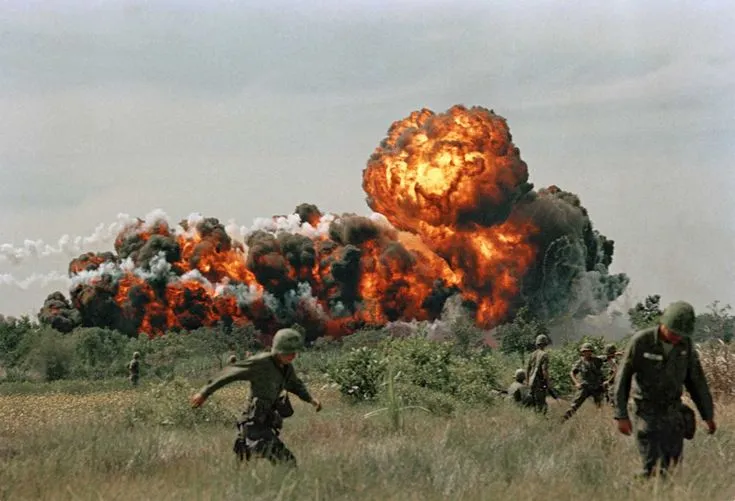
Finally, the problem also concerns non-state actors, as well as new ways of warfare, such as cyber-warfare. The traditional framework of self-defense, enshrined in Article 51, was designed for state-to-state conflicts, and its application to non-state actors, such as terrorist groups, is fraught with ambiguity. Similarly, the growing threat of cyber warfare is another area where international law struggles to keep pace. Attacks on critical infrastructure, which may not involve physical force but cause significant harm, challenge the traditional understanding of what constitutes an “armed attack” under Article 51. The absence of a clear legal framework governing these forms of warfare creates legal grey areas that states can exploit.
The assertion that states that use force “escape” regulation, is, therefore, rather misleading, given that there is indeed a comprehensive international legal framework that restricts the use of force by states. Nonetheless, the problem is that even when there is a comprehensive legal framework, as in the case of the UN Charter, states do not enforce it. This is done either through politicizing international law, such as when states use their veto to block any Security Council resolutions, or by stretching the interpretation of the law to fit their foreign policy goals. Nonetheless, despite this, the international law still plays a crucial role in regulating force. Finally, even if international law fails, it can be reformed, as suggested below.
To begin with, as mentioned above, one of the main reasons why international law fails is because states, particularly the P5, can veto any resolution that threatens their national interests. Therefore, reforming the UN Security Council voting procedures to prevent such abuses is paramount. Some scholars, such as Kofi Annan, suggest eliminating the veto altogether; nonetheless, that might be too unrealistic, given that all P5 members would have to agree to it. Another solution might be to restrict the use of the veto in cases of mass atrocities or when one of the P5 has invaded another state. This would prevent the abuses of the veto while still giving the P5 states autonomy in matters of foreign policy that do not concern international law.
Another reform that is necessary is updating the definition of “Armed Attack”, as currently, states can interpret it in different ways and use force in cases when it is not explicitly stated that it is allowed. In addition, new phenomena such as cyber and hybrid warfare should also be included in the definition. It is also necessary to prohibit excessive force as a response to an armed attack. In this regard, Crawford suggests adding a proportionality clause that would prevent states from using excessive force. Finally, a consensus has to be reached on implementing the Responsibility to Protect doctrine, as currently, states such as China and Russia do not acknowledge its legitimacy. By operationalizing R2P, the international community can respond to mass atrocities swiftly and effectively without violating state sovereignty.
In conclusion, while the international legal regime governing the use of force is clearly defined, its effectiveness is frequently undermined by political interests, power imbalances, and evolving state practices. The legal framework, although strong on paper, faces significant challenges in enforcement due to the selective application of norms and the lack of accountability for powerful states. Despite these issues, the regime remains an important part of the international system, providing a framework for accountability and restraint. With potential reforms and stronger enforcement mechanisms, the international community could enhance the regime’s ability to regulate the use of force more effectively.
- use of force
- UN Charter
- self-defense
- international law
- Security Council reform
Cite this article
Nafiz Absar Mahmood, 'The Use of Force in International Law: Legal Constraints, Political Interests, and Enforcement Challenges' (DraftLaw Research, 17 October 2026) <https://draftlawresearch.org/articles/the-use-of-force-in-international-law-legal-constraints-political-interests-and-enforcement-challenges/>
Copyright remains with the authors unless stated otherwise.
About the author

Founder, DraftLaw Research, Lund University